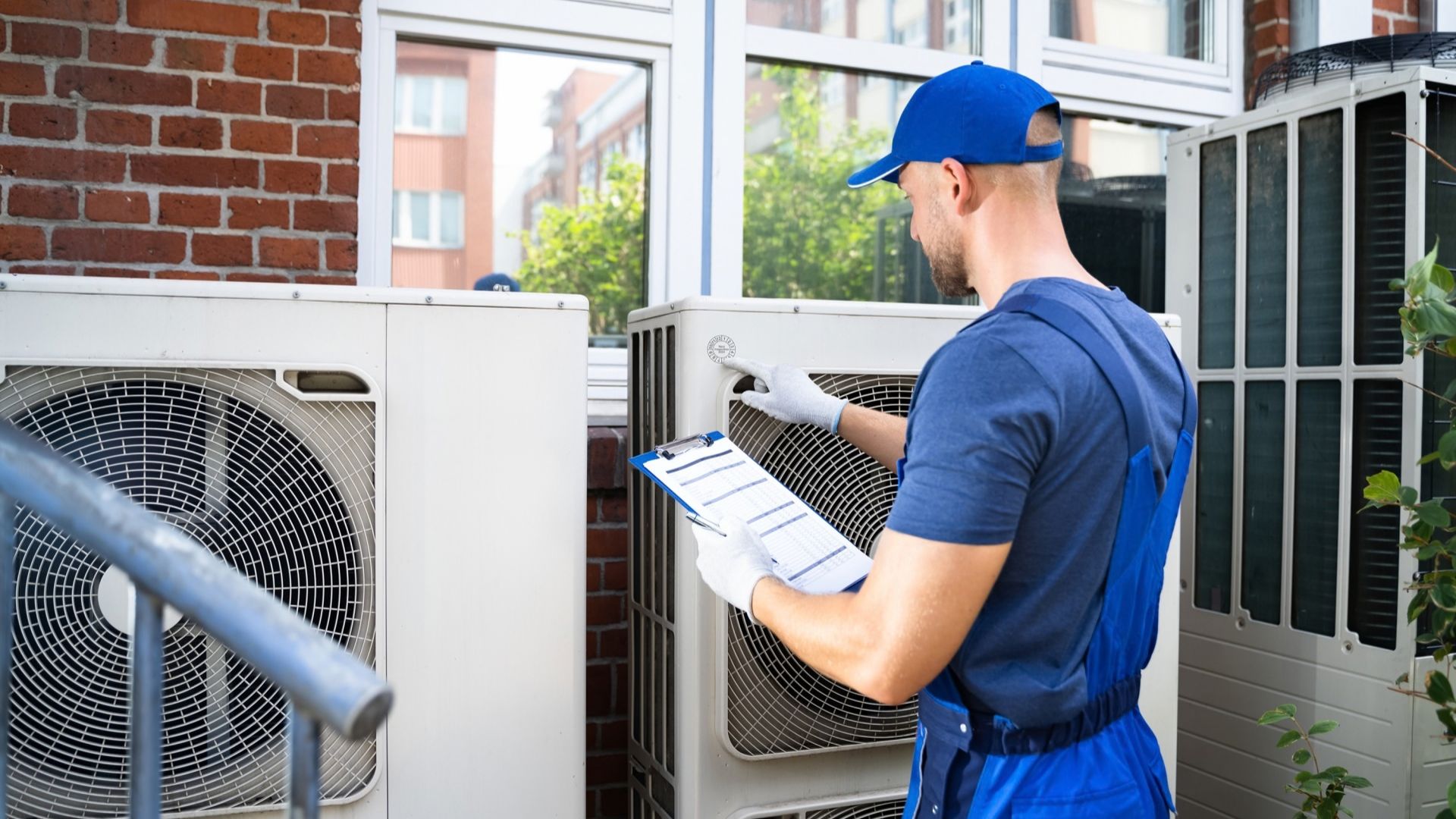
Air Conditioning Repair
Troubleshooting cooling issues such as weak airflow, warm air from vents, unusual sounds, and refrigerant concerns that affect how an AC runs.
Discuss a repairYour heating and cooling system shapes how your home feels every day — indoor temperature, airflow, humidity, and quiet comfort all depend on equipment that is sized, installed, and maintained properly. We offer practical service options for common residential and light-commercial HVAC needs.
Every home and heating/cooling setup is different. At Oceanside AC Repair in Oceanside, CA, our approach starts by understanding the existing equipment — how it is installed, how it is controlled, and how air moves through the space.
From there we look for signs of trouble: uneven airflow, temperature swings, unusual operating sounds, or components that simply no longer perform as expected. We talk through repair or replacement options, and help property owners understand what each choice involves before any work begins.
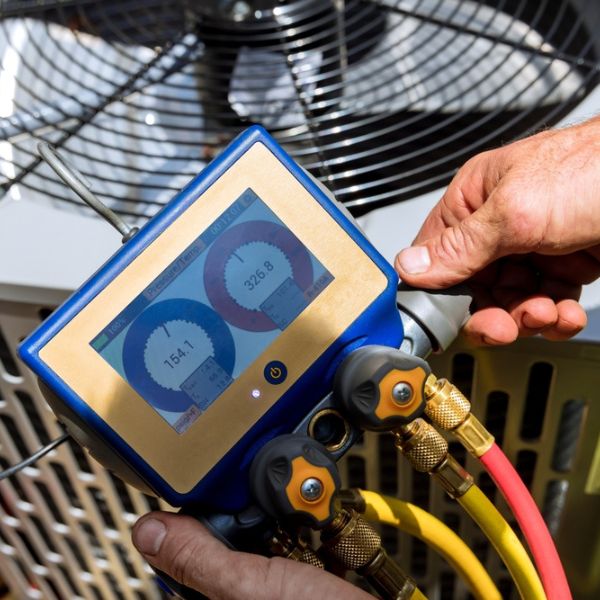
Checking operating pressures, airflow, and temperature performance to find the cause of a problem.
Reviewing repair versus replacement trade-offs so you can make an informed decision.
Helping owners build a seasonal care routine that fits their equipment and usage.
Practical help for the equipment that heats, cools, and moves air through your home.
Troubleshooting cooling issues such as weak airflow, warm air from vents, unusual sounds, and refrigerant concerns that affect how an AC runs.
Discuss a repairSeasonal checkups covering coils, airflow, electrical connections, and overall operating condition before the hottest months.
Schedule maintenanceDiagnosing heating problems including no heat, short cycling, unusual noises, and performance that does not match the thermostat setting.
Discuss a repairReviewing burner operation, heat exchange condition, airflow, and safety components to keep a furnace running dependably through winter.
Schedule maintenanceService for heat pumps that switch between heating and cooling, including defrost behavior, reversing operation, and seasonal changeovers.
Discuss serviceNew equipment installation planned around your home's layout, duct capacity, and heating and cooling load so the system fits the space.
Plan an installReplacing aging or repeatedly repaired equipment with a properly matched system, considering size, efficiency, and installation compatibility.
Explore replacementChecking thermostat wiring, placement, and settings so the system responds correctly to the temperature you set.
Discuss a thermostatReviewing duct runs, registers, blower output, and return paths to find why some rooms stay stuffy or drafty.
Request airflow checkOptions such as improved filtration, humidity control, and ventilation strategies for a more comfortable indoor environment.
Explore IAQ optionsEach part of a heating and cooling system affects how comfortably air is delivered through a home.
Heating and cooling systems move heat in or out of a home to hold a chosen indoor temperature, whether the outside air is hot or cold.
Restricted or uneven airflow can make a system run longer and leave some rooms warmer or cooler than others.
Air conditioning removes moisture from indoor air, which affects how comfortable the temperature actually feels.
Air filters collect airborne particles before air recirculates through the home and protect equipment from buildup.
The thermostat reads the indoor temperature and tells the equipment when to start and stop running.
Heat pumps move heat in both directions — pulling warmth inside during cold weather and pushing it outside during warm weather.
Ducts carry conditioned air to each room. Leaks, poor sizing, and blockages change how the whole system performs.
How efficiently a system uses energy depends on equipment condition, sizing, settings, and how well air moves through it.
Routine seasonal checks can help identify developing issues before they interrupt normal heating or cooling operation.
There are several reasons a homeowner starts exploring system updates: aging equipment, an older thermostat, repeated repairs, airflow problems, or changing heating and cooling needs from one season to the next.
Aging equipment — older systems may run more often or less evenly as components wear.
Older thermostats — outdated controls may not interpret temperature changes as precisely as newer options.
Outdated control systems — equipment and controls that do not communicate well can behave inconsistently.
Repeated repair needs — frequent service calls can be a sign that individual fixes are no longer the best path.
Equipment compatibility — a new outdoor unit or indoor coil must match the rest of the system to work correctly.
A replacement decision depends on equipment condition, system size, property requirements, repair history, and installation compatibility — not on the equipment alone.
Discuss Your HVAC System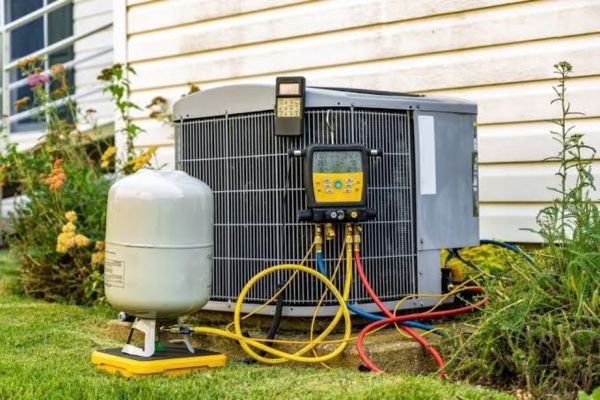
A simple look at how a typical home HVAC system operates.
The thermostat senses the indoor air temperature and compares it with the setting you chose.
The furnace, air conditioner, or heat pump runs to add or remove heat as needed.
A blower pushes warmed or cooled air through the duct system to each room's registers.
Once the indoor temperature reaches the setting, the thermostat signals the equipment to stop until it is needed again.
A common approach is a check in the spring before cooling season and another in the fall before heating season. Having equipment looked over twice a year helps catch developing issues while the system is not under heavy strain.
Weak airflow from vents, warm air coming out of registers, unusual noises from the outdoor unit, and a system that runs without cooling are all worth having looked at. Ice forming on refrigerant lines is another sign that something is wrong.
Most manufacturers recommend checking the filter about every one to three months. Homes with pets, dust, or higher usage may need changes more often. A dirty filter can reduce airflow and make the system work harder.
Uneven heating or cooling is often related to airflow — duct design, closed registers, long duct runs, or poor return air paths. Insulation and window heat loss also play a part. An airflow review can help identify where the imbalance comes from.
Before the heating season begins is the best time, so problems can be addressed before cold weather arrives. A furnace showing signs of trouble — odd smells, noises, or inconsistent heat — should be looked at sooner.
A heat pump moves heat rather than creating it. In warm weather it moves heat from inside to outside; in cool weather it reverses and moves available outdoor heat indoors. This is why a single system can handle both seasons.
Equipment age and condition, the size of the home, duct capacity, repair history, and how the property is used all factor in. A properly matched system is important, since oversized or undersized equipment can perform poorly.
Yes. The thermostat tells the equipment when to run and when to stop. Large, rapid changes to the setpoint can cause longer run times, and a thermostat in the wrong Oceanside, CA can make readings inaccurate.
A dirty filter, a blower issue, closed dampers, or blocked ductwork can all reduce airflow. Return-air restrictions are another common cause, since the system needs to pull air back as easily as it pushes it out.
Repair fixes a specific component so the existing system keeps running. Replacement removes and updates the equipment itself. The right choice depends on the age and condition of the system, the cost of the needed repair, and the home's requirements.
Need to discuss a heating or cooling system, a repair, or a possible update? Reach out to the service team to talk through your requirements before any work is scheduled.
Monday–Sunday: 6:00 AM–9:00 PM
Oceanside, CA
Before reaching out, it helps to have a few details ready:
This information helps the team discuss your situation more efficiently.